Eventually is now.
The thing Fortune 500 companies and solo practitioners have in common is time. There's never enough of it, and the bigger the ambition, the less of it you have to spare on the parts of the business nobody sees.
The difference is what happens next. A Fortune 500 company throws headcount at the problem. A founder just tries to absorb it, or ignore it.
Here's what that actually looks like.
1. Everything comes back to you
The team waits for decisions. Follow-ups stall until you personally chase them. Growth only happens when you push it, never on its own.
2. You genuinely don't know where the next lead is coming from
Not because there isn't demand, but because there's no system tracking, nurturing, or following up on it without you in the loop.
3. You're the best person at the work, and the worst bottleneck in the business
These aren't contradictions. The same skill that made the business valuable is often the thing keeping it small, because nobody else can (or has been given the system to) do it the way you do.
4. "I'll build the system later" has been true for over a year
Most founders know exactly what needs fixing. The follow-up sequence. The CRM that's half set up. The content calendar that lives in your head. Knowing isn't the gap. Time is.
5. Hiring feels like it would just mean training someone to be as stuck as you are
If the business runs on your judgment call by judgment call, more hands doesn't solve the bottleneck. It just adds people waiting on you too.
So I built HALO™: Harvest, Automate, Leverage, Optimise. Growth systems that let the business carry more of its own weight, so the founder isn't the thing holding it all together.
I work with founders who are already doing the work, already investing, and just need the right system underneath it all to make everything compound. If that's you, the HALO™ Growth Audit is where I start, or let's talk.
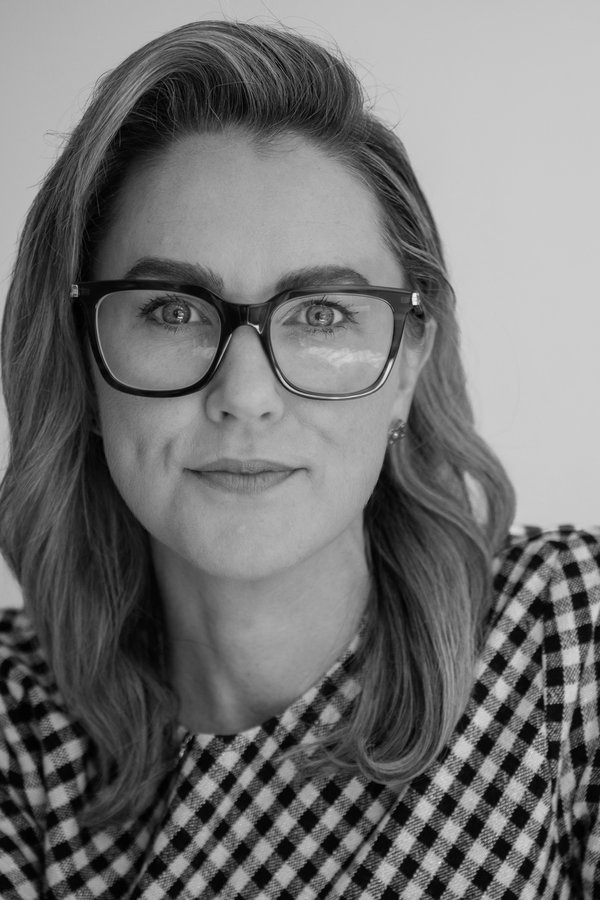
Katie-Jane Michael
Founder, Human Theory · Connect on LinkedIn